Sustainable and Green Architecture for Residential, Commercial, and Office Spaces
Sustainable and green architecture is revolutionizing the way we design buildings and living spaces. By prioritizing energy efficiency, low-carbon materials, and eco-friendly solutions, green architecture fosters environmental responsibility while creating healthier, more comfortable environments. Whether designing a residential home, commercial office, or mixed-use space, sustainable architecture provides long-term benefits, including cost savings, improved well-being, and a reduced environmental impact.
What is Sustainable Architecture?
Sustainable architecture involves designing buildings to reduce environmental impact while optimizing energy and resource efficiency. It incorporates green architecture principles by using eco-friendly materials, utilizing renewable energy, and ensuring the building’s long-term sustainability through low-carbon practices and environmentally conscious strategies.
Sustainable Architecture for Homes
Whether you’re building a new house or renovating an existing property, sustainable architecture is essential for creating an energy-efficient, environmentally responsible living space. By using green building design principles, homeowners can reduce their carbon footprint, save on energy bills, and live more comfortably.
Key Features of Sustainable Home Design:
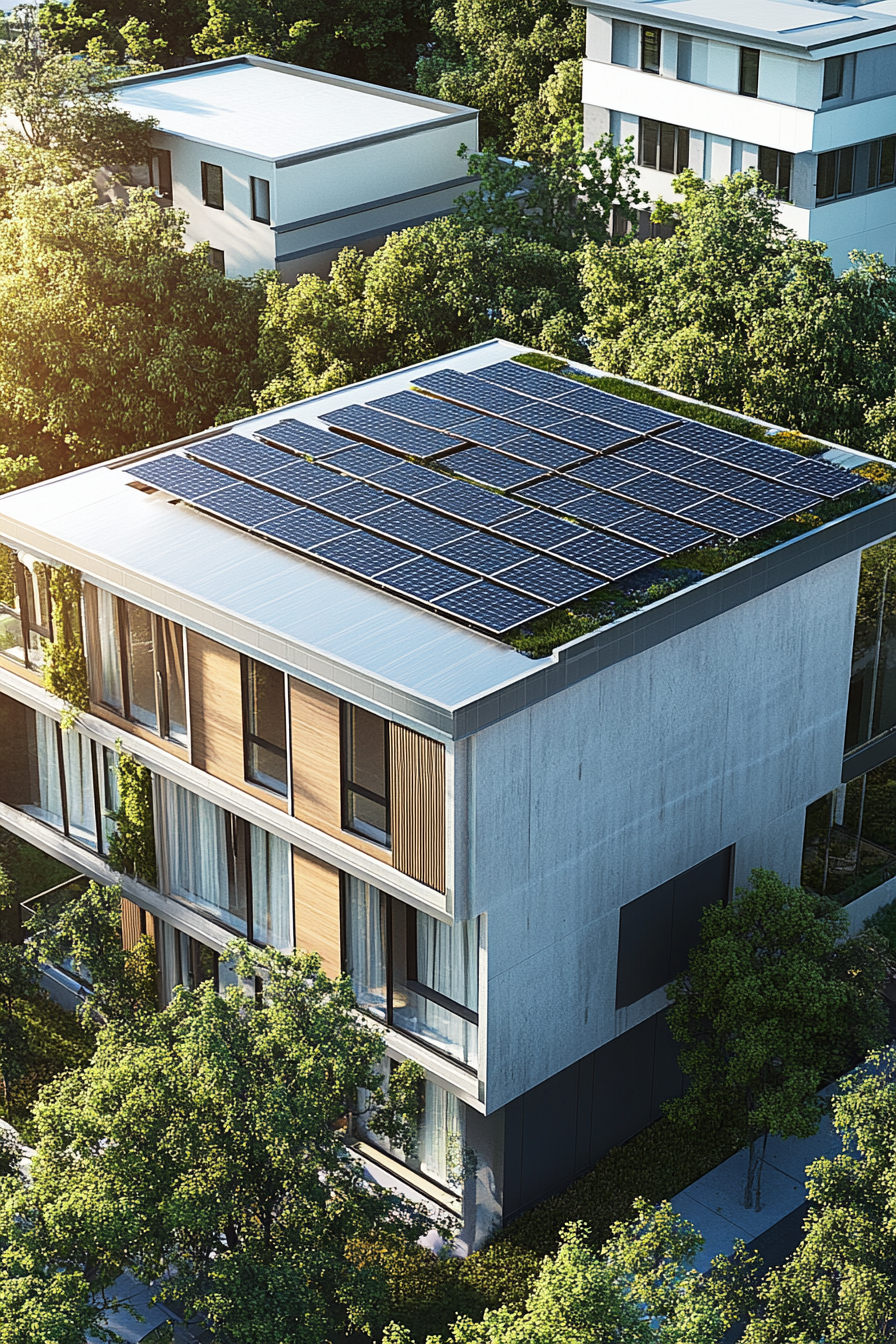
- Energy-efficient designs: Integrating solar panels, passive solar design, and high-performance insulation.
- Eco-friendly materials: Utilizing low-carbon building materials like bamboo flooring, recycled steel, and non-toxic paints.
- Water conservation: Implementing rainwater harvesting systems and installing low-flow fixtures to minimize water usage.
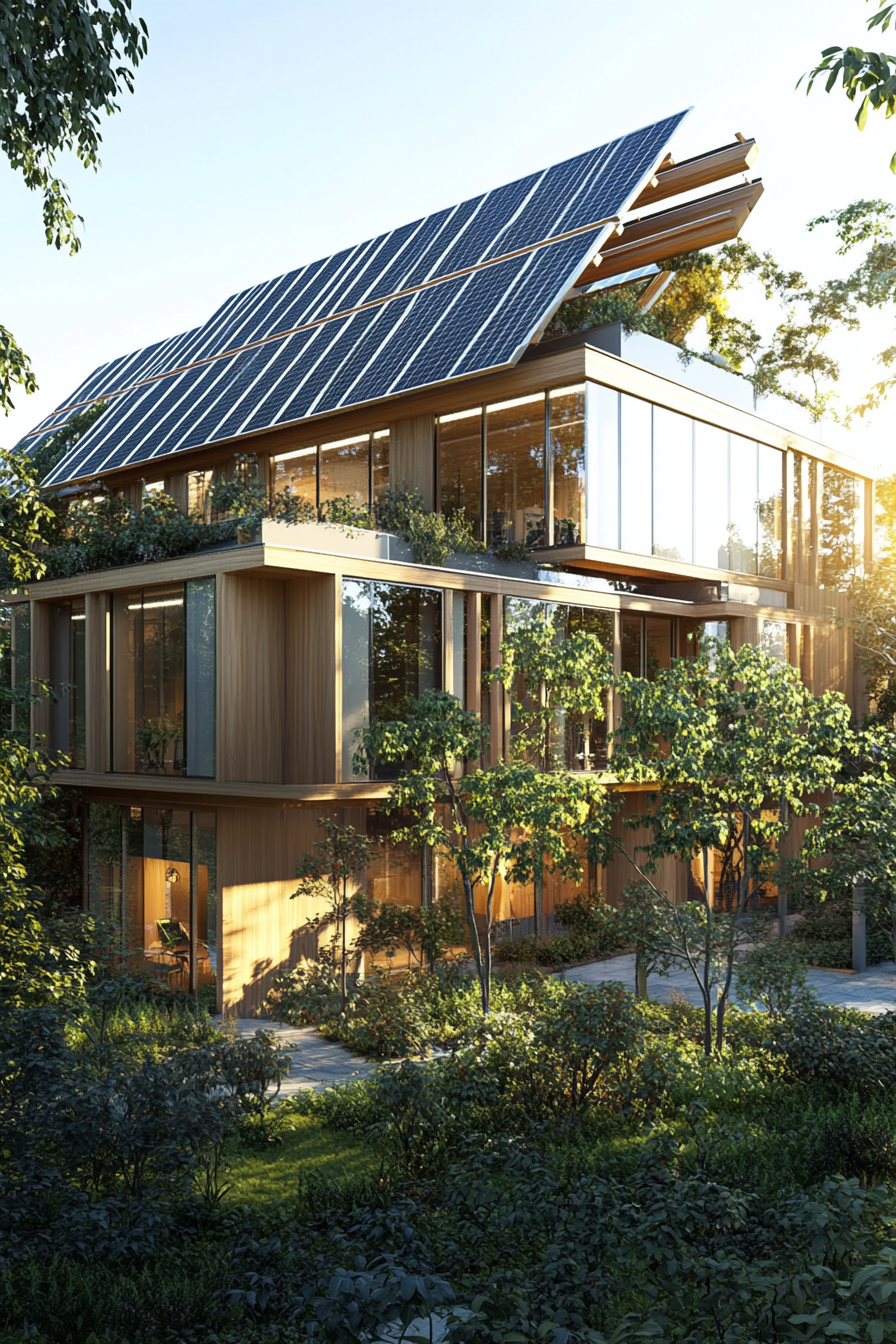
- Natural lighting: Maximizing daylight harvesting through well-placed windows, skylights, and open layouts.
Sustainable and Green Architecture for Commercial Buildings
As businesses strive to meet sustainability goals, green architecture has become a key factor in commercial building design. Companies benefit from eco-friendly building materials, energy-efficient systems, and green certifications, such as LEED or BREEAM.
Key Considerations for Commercial Green Design:
- Energy-efficient systems: Installing high-efficiency HVAC units, solar panels, and smart lighting systems.
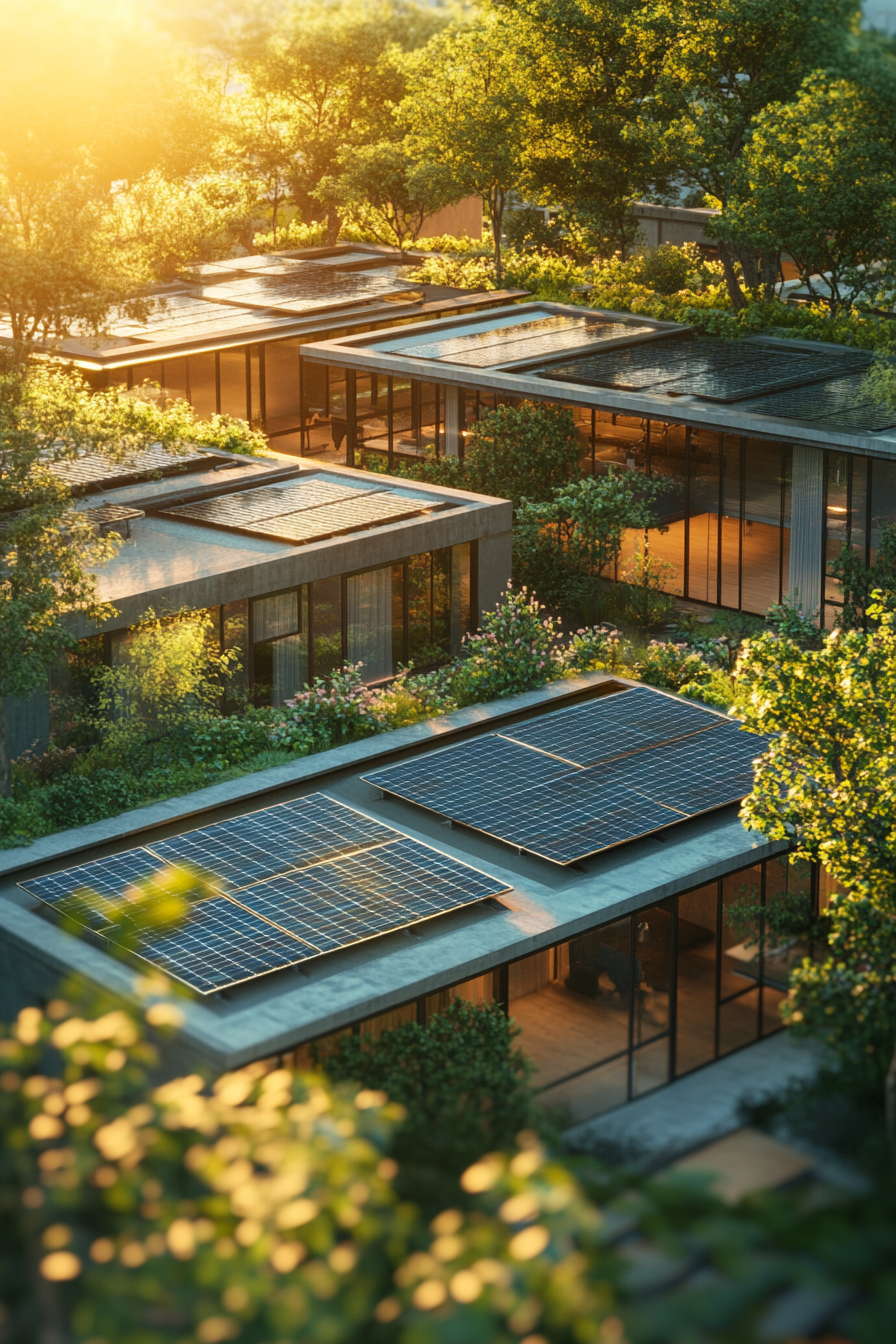
- Green roofs and walls: Incorporating living roofs to insulate the building and improve air quality.
- Sustainable materials: Using low-carbon materials like recycled concrete and sustainable timber.
- Water-saving features: Integrating rainwater harvesting systems and low-flow fixtures to reduce water consumption.
Sustainable Architecture for Office Spaces
Sustainable design in office spaces can lead to better productivity, health, and well-being of employees while lowering operational costs. Green office buildings are not only eco-friendly but also attract tenants who value corporate social responsibility.
Benefits of Green Office Architecture:
- Natural lighting: Create designs that enhance the flow of natural light, minimizing the dependence on artificial lighting during daylight hours.
- Indoor air quality: Incorporating non-toxic materials, low-VOC paints, and natural ventilation systems to enhance the quality of indoor air.
- Smart technology: Installing smart lighting and HVAC systems that optimize energy usage.
- Sustainable furniture: Choosing eco-friendly office furniture made from recycled materials or sustainable wood.
Urban Planning and Sustainable Development
Urban planning plays a critical role in sustainable architecture. By integrating green architecture principles into the urban fabric, cities can significantly reduce their environmental impact and promote a healthier living environment.
Key Aspects of Sustainable Urban Planning:
- Mixed-use zoning: Encouraging residential, commercial, and recreational spaces to be within walking distance, reducing the need for cars and lowering emissions.
- Public transportation: Designing neighborhoods with public transit access to minimize car dependence and reduce the carbon footprint.
- Green spaces: Creating parks, green roofs, and gardens to provide recreational areas, improve air quality, and reduce urban heat islands.
- Sustainable infrastructure: Using renewable energy sources, water recycling systems, and smart technology to create sustainable cities.
Sustainable Architecture: The Path Forward
Adopting sustainable architecture and green design principles is essential for creating a planet that future generations can enjoy and thrive on. By prioritizing energy efficiency, eco-friendly materials, and resource conservation, sustainable buildings not only lessen their environmental footprint but also offer healthier, more affordable living and working spaces.
Whether you’re building a new home, designing a commercial property, or planning an office space, sustainable architecture will help you achieve long-term value, lower operating costs, and meet environmental standards.
Reach out to Buildiyo today to see how we can help you integrate green architecture into your next project. Whether it’s for a home or commercial space, our team is eager to help turn your sustainable vision into reality.
Traditional vs. Modern Sustainable Architecture
Feature | Traditional Green Architecture | Modern Sustainable Architecture |
Design Focus | Energy conservation using simple methods | Advanced technology integration and smart materials |
Materials Used | Natural materials like wood, stone, and clay | Recycled, low-carbon, and renewable materials |
Energy Efficiency | Passive solar heating, natural ventilation | Smart HVAC systems, solar panels, wind turbines |
Urban Integration | Organic integration with landscape | Zoning, smart grid technology, mixed-use planning |
Both approaches emphasize sustainability but differ in the methods used and technology integrated. Modern green architecture involves sophisticated materials and energy systems that were not available in traditional designs.