Interior Space Planning for Houses, Commercial, and Office Spaces
Effective interior space planning is a critical part of creating functional, aesthetically pleasing, and efficient living or working environments. Whether you are planning a residential house, commercial property, or office space, a well-thought-out interior layout ensures that every inch is used to its fullest potential. In this guide, we explore interior space planning for various building types, including traditional and modern designs.
Interior Space Planning for Residential Homes
Interior space planning for homes is about designing layouts that cater to family needs, comfort, and flow. It’s about creating a harmonious balance between aesthetic appeal and functionality.
Key Elements of Home Space Planning:
- Open floor plans: Popular in modern designs, these layouts allow for flexibility and create a sense of openness.
- Room zoning: In traditional designs, clear distinctions between rooms allow for privacy and specific functions.
- Furniture arrangement: The placement of furniture should promote ease of movement and enhance the flow of natural light.
By focusing on elements such as kitchen layout, living room furniture arrangement, and bedroom design, a well-executed plan can transform your home into a haven.
Interior Space Planning for Commercial Properties
When it comes to commercial interior space planning, efficiency, and customer flow are key considerations. Whether you are designing a retail store, office, or restaurant, an optimized space layout can enhance employee productivity, customer experience, and overall brand perception.
Key Considerations for Commercial Space Planning:
- Functional zones: Distinguishing areas like reception, workstations, and meeting rooms is crucial for efficient space use.
- Employee comfort: Ensuring proper lighting, ventilation, and privacy, especially in open-plan offices.
- Aesthetic appeal: Commercial spaces should align with brand identity and offer a welcoming, professional environment.
Using modular furniture, flexible partitions, and ergonomic designs can further improve the functionality of commercial spaces.
Interior Space Planning for Office Spaces
In office space planning, the goal is to create a layout that enhances productivity while promoting employee well-being. Thoughtful space planning encourages collaboration, creativity, and efficient work processes.
Important Aspects of Office Space Planning:
- Collaborative spaces: Incorporating meeting rooms, break-out areas, and open-plan offices can foster collaboration.
- Private zones: Ensuring that there are quiet spaces for focused work is essential for employee satisfaction.
- Flexible office layouts: Use of modular furniture and adaptable spaces allows the office to evolve with business needs.
Designing an office space with a focus on ergonomics, natural light, and acoustic treatments can greatly improve employee productivity and happiness.
Traditional vs. Modern Interior Space Planning
Traditional and modern interior space planning each have their own unique qualities that appeal to different tastes and requirements. Understanding the benefits of each can help you choose the perfect layout for your project.
Traditional Interior Space Planning:
- Defined spaces: Traditional designs often use walls and doors to create separate rooms, offering privacy.
- Symmetry and balance: Room layouts often follow traditional architectural rules, creating a sense of order and structure.
- Ornate details: The use of intricate molding, classic furnishings, and rich textures adds an element of luxury.
Modern Interior Space Planning:
- Open-plan design: Emphasis on large, open spaces without many dividing walls.
- Minimalism: Clean lines, functional design, and a focus on simplicity define modern layouts.
- Use of technology: Integration of smart home features and innovative solutions is a hallmark of modern designs.
Interior Space Planning Tips for 2D Floor Plans
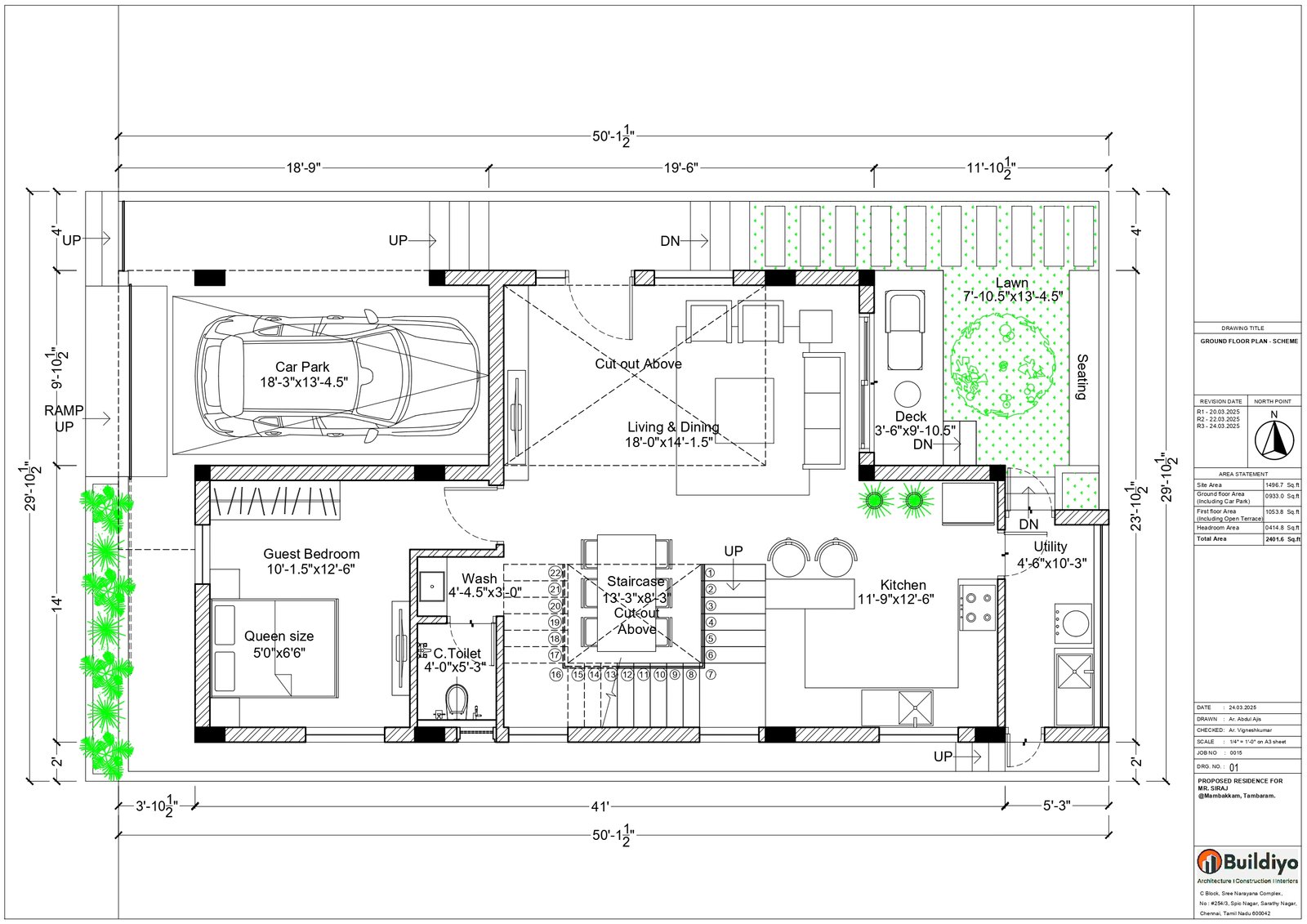
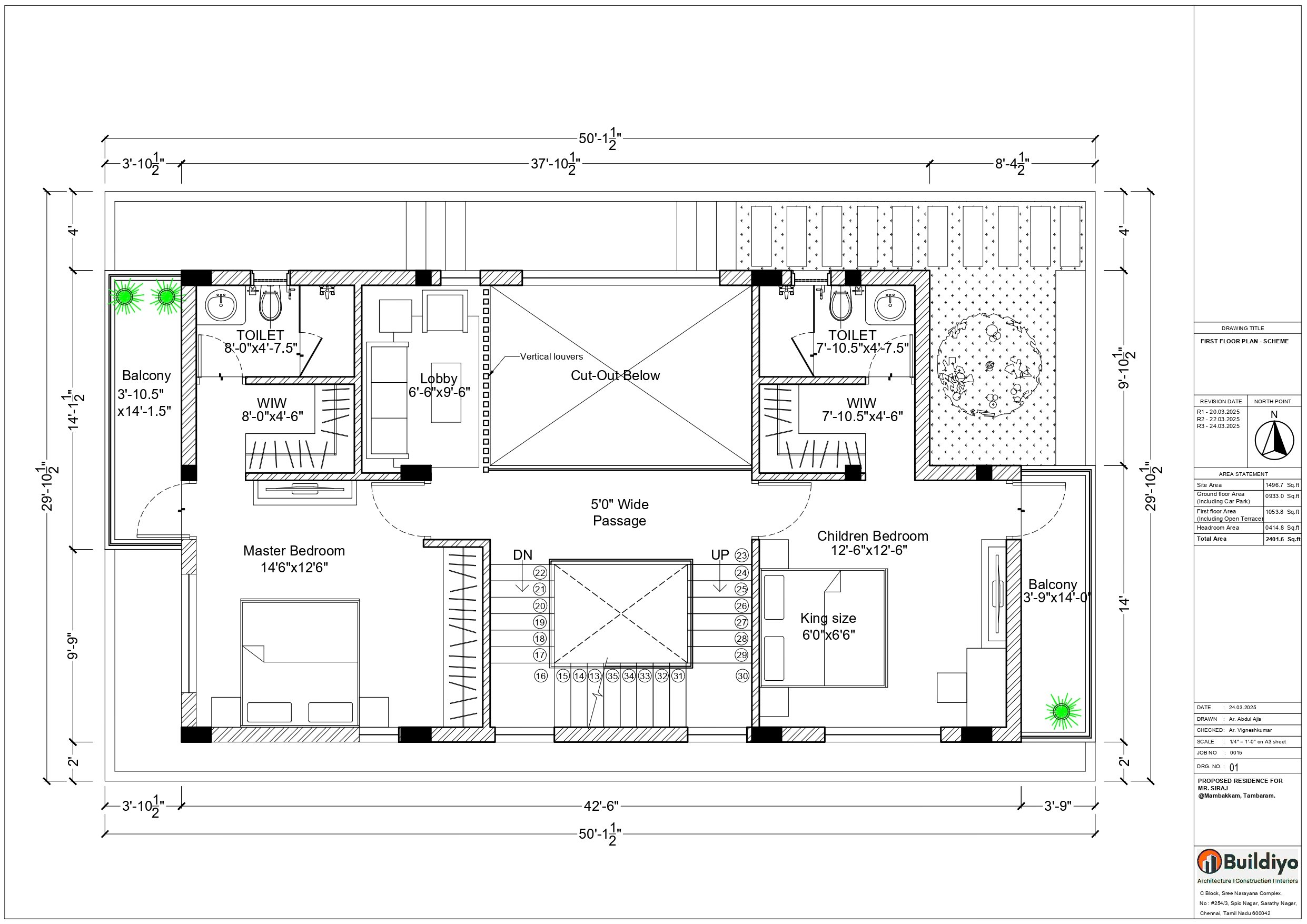
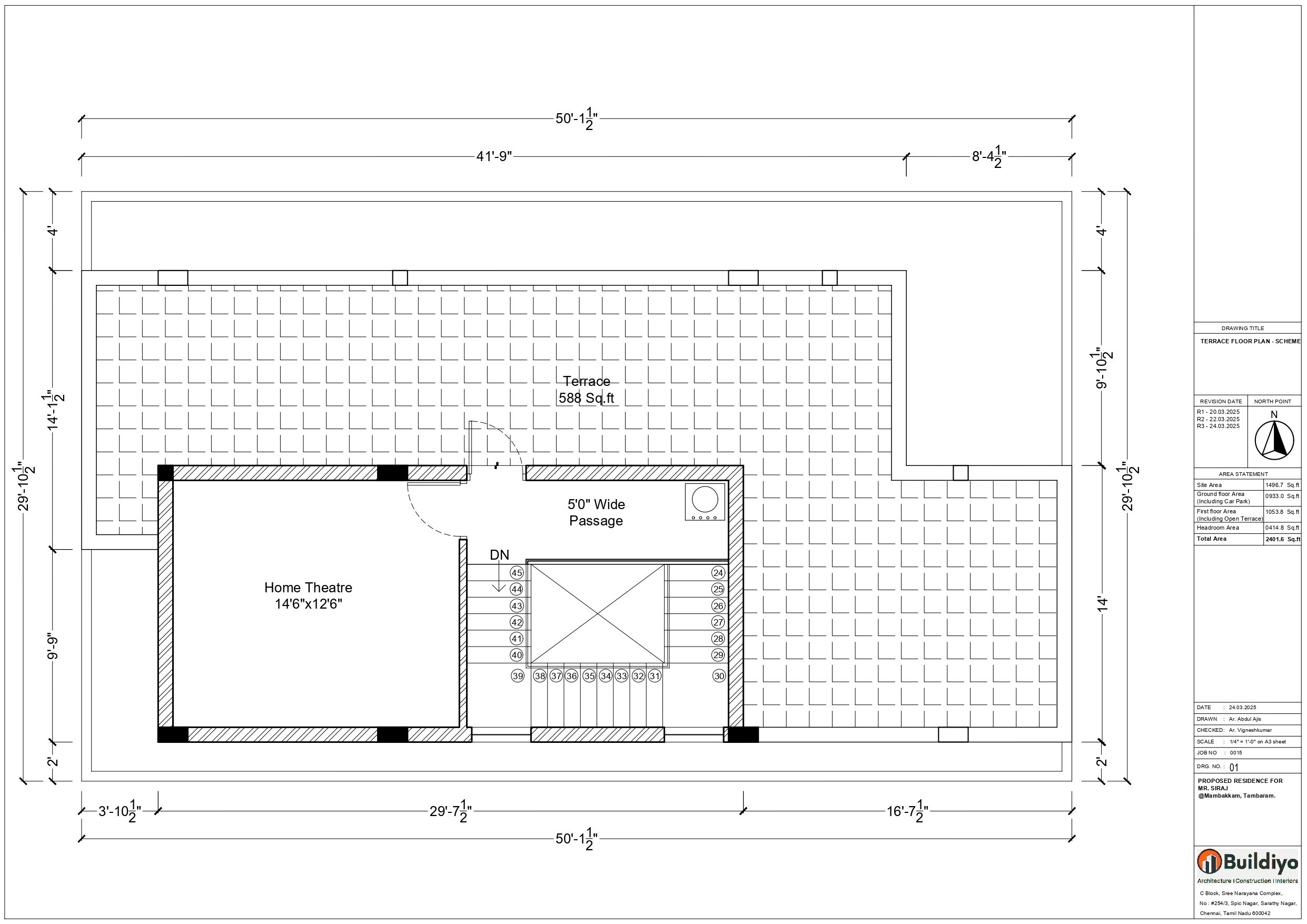
Whether you’re designing a 2D floor plan for a residential home, office, or commercial space, it’s important to consider the dimensions, flow, and functionality of each room. A well-detailed 2D plan ensures that your design vision comes to life efficiently.
Key Tips for Creating Effective 2D Floor Plans:
- Space dimensions: Ensure accurate measurements to optimize space usage and avoid overcrowding.
- Traffic flow: Consider the movement between rooms and areas to reduce congestion.
Functional layout: Plan the placement of furniture and fixtures to enhance comfort and usability.