
Top 5 Residential Design Trends for 2026

Home design is undergoing an exciting transformation in 2026. Homeowners, architects, and interior designers are placing greater emphasis on sustainability, wellness, and functionality than ever before. The fusion of advanced technology, environmental awareness, and the need for flexible living spaces is reshaping how homes are being designed and constructed.
This blog will explore the top five residential design trends for 2026, helping you stay ahead of the curve. Whether you’re planning to renovate your home or you’re in the business of residential construction in Chennai, these insights will prove invaluable.
1. Sustainable and Eco-Friendly Design
Sustainable design continues to lead the charge in 2026. With climate concerns influencing consumer choices, environmentally friendly homes have become a must-have rather than a nice-to-have.
Key Features to Watch For:
- Energy-Efficient Homes
Modern homes are increasingly incorporating advanced insulation, energy-efficient windows, and effective air-sealing techniques. These upgrades not only help lower energy costs but also enhance overall comfort.
- Renewable Energy
With solar panels and energy storage systems like the Tesla Powerwall, homeowners can now create and store their own clean energy. This shift is reducing their dependence on traditional power grids, and more homes are becoming fully energy-independent as a result.”
- Sustainable Materials
Expect to see more materials like bamboo flooring, recycled steel, hempcrete, and reclaimed wood being integrated into the design process. These offer aesthetic appeal and contribute to reducing the home’s environmental impact.
- Green Roofs and Living Walls
Plants are no longer confined to gardens. Green roofs and walls now offer added benefits, such as enhanced insulation, improved air quality, and a reduction in urban heat.
Why It Matters:
Reducing your home’s carbon footprint isn’t just a responsible choice; it offers significant cost and lifestyle benefits. Eco-friendly homes add tremendous value in the long run, aligning with both environmental and financial goals.
2. Smart Homes and Automation
Technology is revolutionizing the way we interact with our homes. Smart homes are no longer futuristic—they’re a modern-day reality.
Key Features to Watch For:
- Home Automation Systems
Devices like Amazon Alexa, Google Home, and Apple HomeKit make daily tasks easier, from setting reminders to adjusting connected systems like lights and thermostats with simple voice commands.
- Smart Appliances
Energy-efficient appliances like fridges, washing machines, and ovens, which can be controlled via smartphones, are quickly becoming the standard.
- Advanced Security Systems
AI-powered surveillance cameras, motion sensors, and facial recognition technology are making homes safer.
Why It Matters:
Smart technology makes life more convenient and is even seen as a necessity by buyers, significantly enhancing property value. For instance, many residential construction in Chennai are incorporating pre-installed smart systems to attract tech-savvy homeowners!
3. Biophilic Design
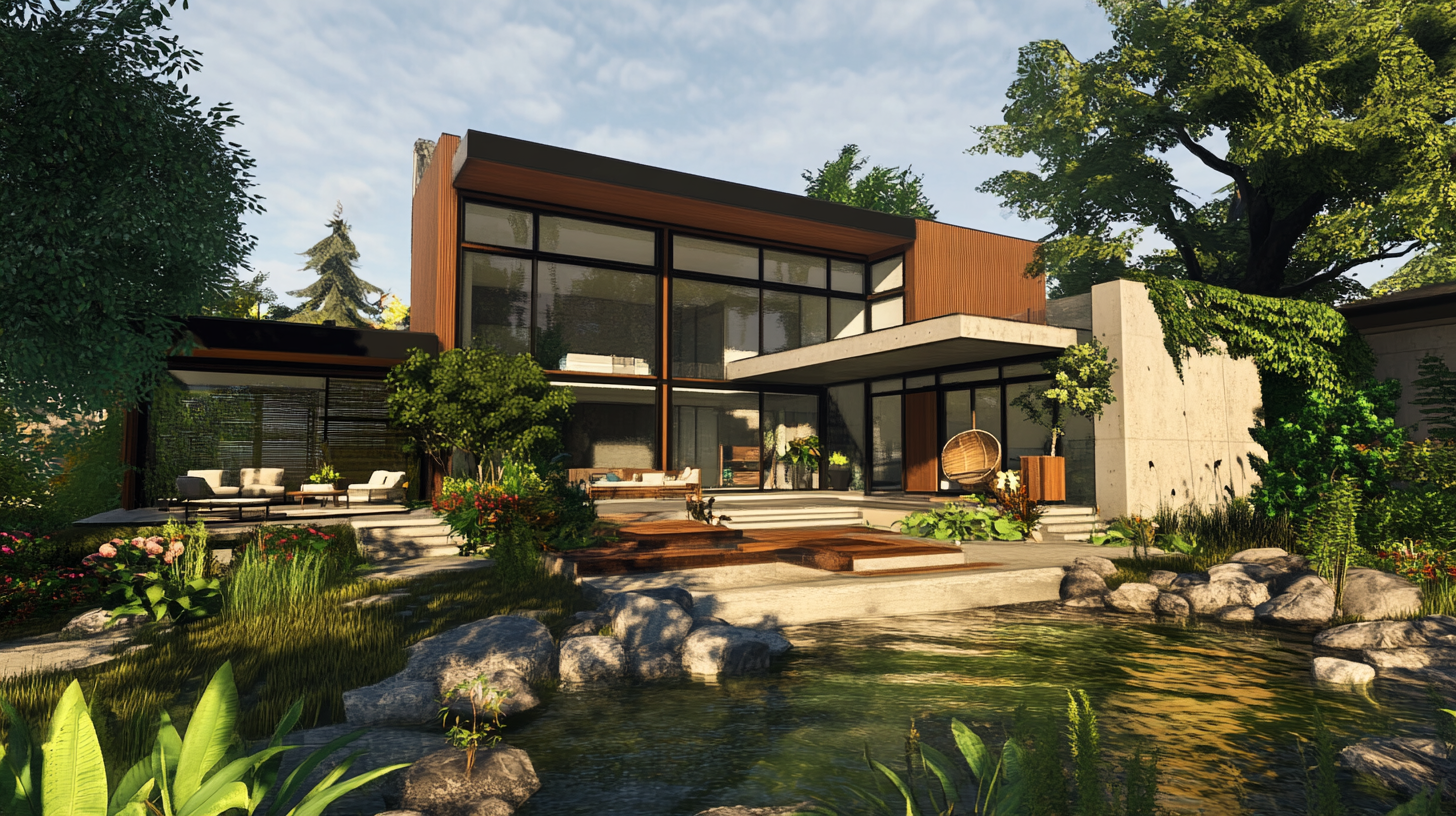
Biophilic design emphasizes our innate connection to nature, bringing the outdoors inside while shaping spaces that enhance our well-being.
Key Features to Watch For:
- Indoor Plants and Living Walls
From small planters to expansive indoor gardens, incorporating greenery into interiors remains a hallmark of biophilic homes.
- Maximized Natural Light
Large windows, skylights, and open floor plans help flood spaces with daylight, creating bright and inviting interiors.
- Organic Materials
Materials like natural wood, stone, and clay add warmth and texture to interiors, creating spaces that feel grounded and serene.
- Nature-Inspired Colors
Colors like soft greens, earthy browns, deep blues, and neutrals help create a feeling of calm and relaxation.
Why It Matters:
With life growing increasingly stressful, having a home that nurtures both mental and physical wellness is key. Biophilic design promotes a more mindful, serene living environment.
4.Flexible and Multi-Use Spaces
Living spaces are becoming more adaptable to support the modern way of life. Whether it’s hybrid work or smaller urban living areas, flexible spaces are a growing necessity.
Key Features to Watch For:
- Home Offices
Dedicated, soundproof workspaces with ergonomic furniture are high on the wishlist for most homebuyers.
- Convertible Rooms
Rooms that double as guest rooms, gyms, or playrooms make better use of space without the need for larger homes.
- Open Floor Plans with Zoning
Well-defined “zones” within open-plan designs allow for distinct areas for relaxing, dining, or working without sacrificing the airy, spacious feel.
Why It Matters:
Flexibility in design allows homes to evolve with the homeowner’s changing needs, making them future-proof and highly functional.
5.Wellness-Focused Design
Health and well-being are priorities in modern home design, with features ranging from air purification systems to stress-relief spaces.
Key Features to Watch For:
- Air and Water Quality Systems
Filtration and purification systems are becoming standard for maintaining higher standards of indoor air and water quality.
- Wellness Rooms
From yoga and meditation spaces to saunas and home spas, wellness rooms are essential to promoting relaxation.
- Circadian Lighting
Lighting systems designed to mimic natural light cycles help regulate sleep patterns and create a more natural ambiance.
- Non-Toxic Materials
Homes are being designed with low-VOC paints, non-toxic finishes, and allergen-friendly materials to create healthier spaces.
Why It Matters:
A home designed with wellness in mind doesn’t just reduce stress – it makes everyday life more enjoyable. Wellness-focused design is no longer a luxury; it’s quickly becoming an essential part of modern living.
Transforming Residential Construction in Chennai and Beyond
These top residential design trends for 2026 reflect a profound shift in how homes are viewed and valued. Sustainability, technology, serenity, adaptability, and wellness are no longer optional; they’re expected in modern homes. These designs align perfectly with how homeowners want to live today while setting the stage for the future.
(Top Design Trends for Residential Construction in 2026document)
Whether you’re a homeowner or part of the residential construction industry, now is the ideal time to start incorporating these trends into your next project. Stay tuned for more tips on residential architecture and learn how to bring these features to life in your future builds!