
20×30 House Plan Mistakes to Avoid Before Construction

A 20×30 house plan (600 sq.ft) is one of the most common plot sizes in urban and semi-urban areas. Because the space is compact, even a small planning error can affect ventilation, privacy, usability, and long-term comfort. Before beginning construction, it is essential to understand common 20×30 house plan mistakes so you can avoid costly corrections later. This guide highlights frequent issues related to floor planning, Vastu, interior layout, and structural design.
1. Poor Space Utilization in a 20×30 Floor Plan
A small plot requires smart design. Many homeowners struggle with 20×30 floor plan issues like:
- Oversized bedrooms or living rooms
- Unusable corners
- Narrow passages wasting valuable space
- Staircases placed incorrectly
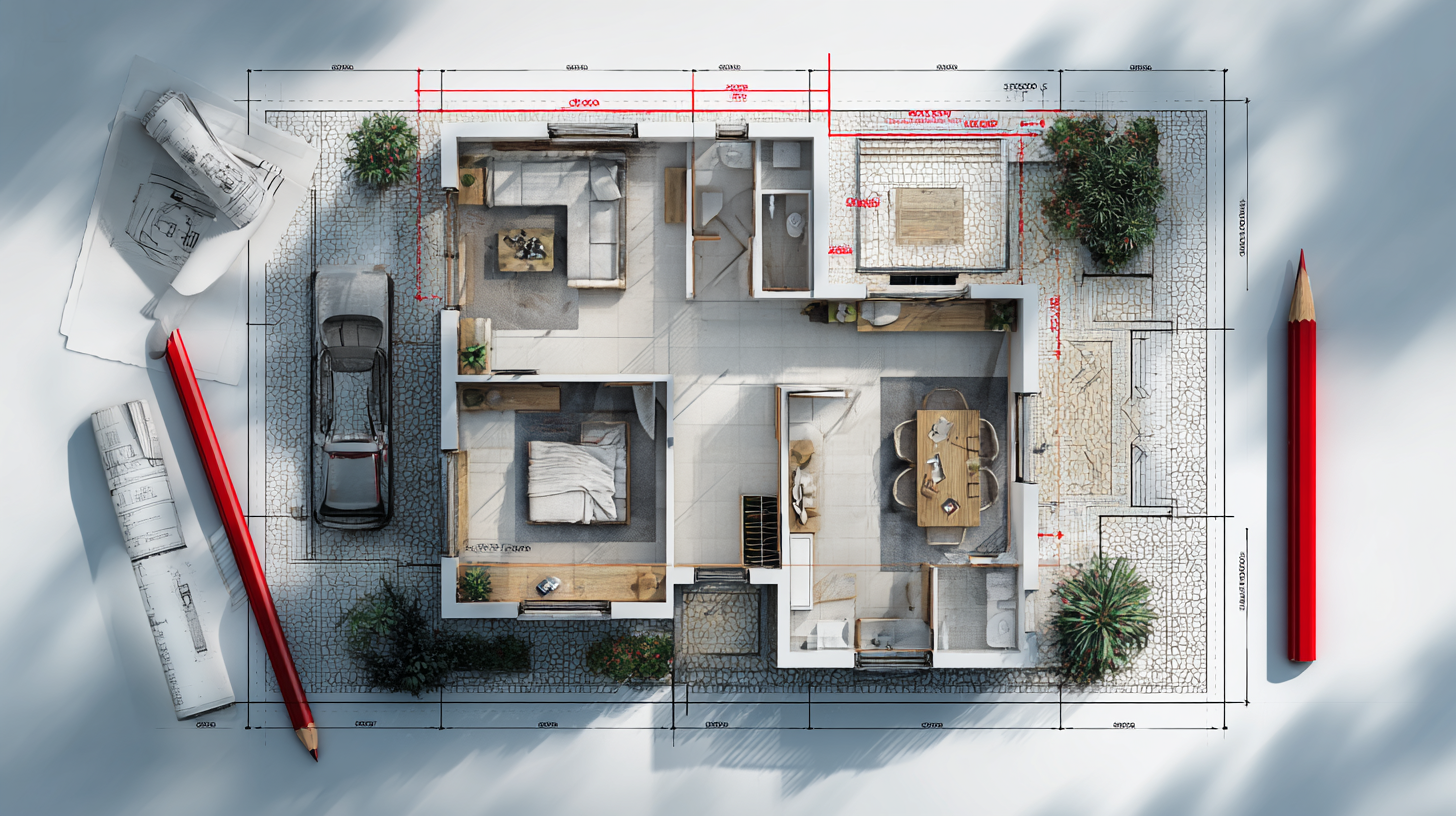
Always ensure functional zoning—living areas at the front, private spaces inside, utility zones at the rear. For accurate planning, refer to 2D Floor Plans for Home Construction.
2. Ignoring Natural Ventilation & Lighting
One of the biggest 20×30 home design mistakes is not aligning windows, doors, and open spaces properly. Poor ventilation leads to:
- High heat buildup
- More electricity usage
- Damp walls and mold
Cross-ventilation is essential, especially for small houses. Even a single misplaced window can reduce airflow drastically.
3. Placing Staircases in the Wrong Position
A staircase consumes 40–60 sq.ft in a 20×30 house plan, so improper placement causes clutter and poor movement flow. Common errors include:
- Placing stairs immediately at the entrance
- Blocking natural light
- Creating dead spaces underneath
Side-aligned or rear-end staircases work best for compact layouts.
4. Incorrect Bathroom & Plumbing Layout
A frequent 20×30 house construction mistake is positioning bathrooms without considering plumbing lines and ventilation. Bad layout choices cause:
- High leakage risk
- Odour issues
- Extra plumbing expenses
Place bathrooms along common walls to reduce cost and improve maintenance.
5. Ignoring Vastu Guidelines in a 20×30 House Plan
Many homeowners unintentionally commit vastu mistakes in a 20×30 house plan, such as:
- Kitchen placed in the wrong direction
- Staircase facing southeast
- Toilet positioned in the northeast
- Master bedroom in unsuitable locations
Even if you follow Vastu partially, correcting major directional elements will enhance energy flow and comfort.
6. Choosing Wrong Room Dimensions
Poorly optimized room sizes create long-term space constraints. Some typical size mistakes include:
- Extremely small bedrooms
- Overly large living rooms
- Narrow kitchen areas
- Insufficient wardrobe space
Always balance aesthetics with function.
7. Poor Interior Planning
Interior design must be planned even before construction begins. Some major 20×30 home design mistakes include:
- Not accounting for furniture placement
- No provision for storage
- Using dark wall colours in small rooms
- Designing ceilings too low
These mistakes make the house look cramped. Consult experts from Best Interior Designers in Chennai for space-saving ideas.
8. Weak Structural Planning
A 20×30 home requires a strong structural layout because there is limited flexibility for column placement. Common issues include:
- Columns placed inside usable spaces
- Slab load miscalculation
- Weak soil analysis
- No future expansion planning (like G+1 or G+2)
Working with experienced construction teams ensures safety. Check Top Residential Construction Companies in Chennai for guidance.
9. Choosing Low-Quality Construction Materials
Using poor-quality bricks, cement, TMT, tiles, or plumbing materials leads to maintenance problems. Small plot houses require superior finishing because every inch matters.
You can source genuine materials from Best Place to Buy Construction Materials Online – Buildiyo Store.
10. Lack of Future-Proofing
Many people build a 20×30 ground floor without considering:
- Future floors
- Parking requirements
- Rental space provision
- Additional bathrooms
- Staircase modification
Planning ahead helps save lakhs during expansion.
Need Help Creating the Perfect 20×30 House Plan?
Whether you’re building a single-floor home or planning for G+1, our team can help you with accurate floor plans, structural drawings, and interior layouts. Reach out anytime through our Contact Us page.
Conclusion
A 20×30 house plan guide helps you avoid costly mistakes related to space planning, ventilation, Vastu, material selection, and interior design. With proper planning and expert support, your 20×30 home can be highly functional, beautiful, and future-ready. Avoiding these 20×30 house plan mistakes ensures better comfort, reduced expenses, and long-term structural stability.